
MULADHARA CHAKRA

SVADHISHTH CHAKRA

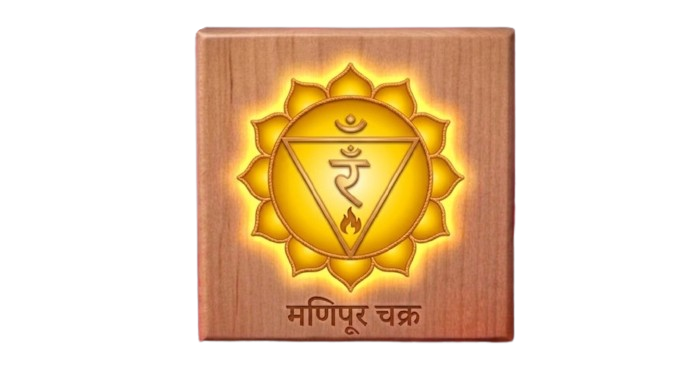
MANIPURA CHAKRA

ANAHATA CHAKRA

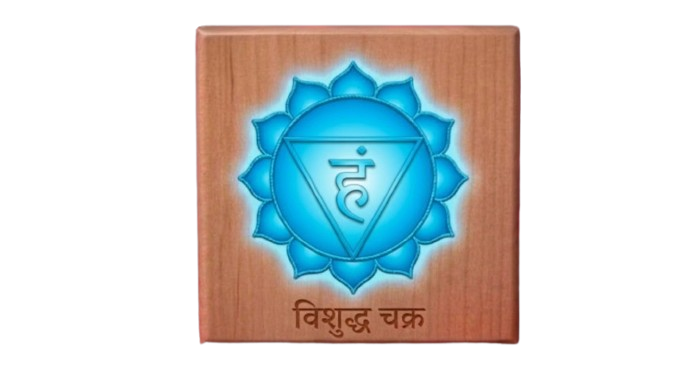
VISHUDDHA CHAKRA

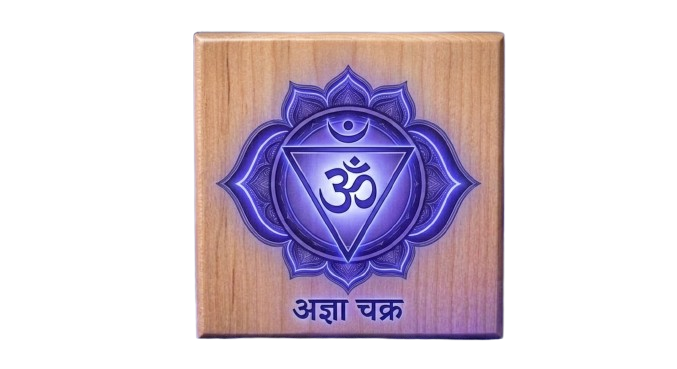
ANJA CHAKRA

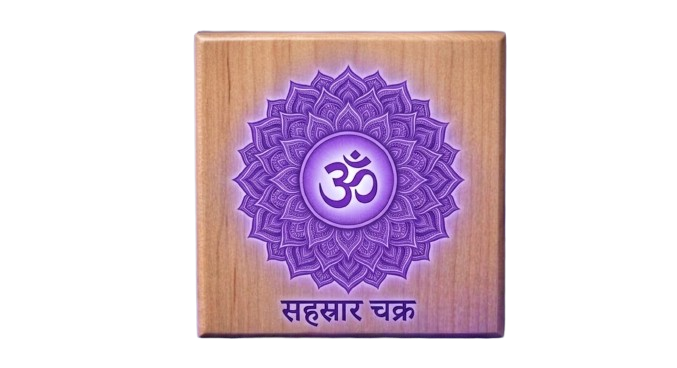
SAHASRARA MUDRA
The Three-Column Pause: Practice a sequence of Inhale, Hold, and Exhale. Visualize the inhale building energy (Sun), the hold preserving it (Hourglass), and the exhale releasing tension (Leaf).
Stillness After Energy: After a period of high activity or high-energy music, intentionally transition into a “Calm” phase with slow breathing to fill the stillness.
Element: Thought / Cosmic Energy — Transcendence and pure consciousness.
Meaning: Thousandfold (Sahasrara = Thousand-petaled lotus).
Key Characteristics: Spiritual connection, enlightenment, universal consciousness, and liberation.
Symbolism: 1,000 petals (representing infinite expansion), A Circle representing the Full moon, and Violet or White (Purity, Spirituality, and All-Encompassing light).
Associated Organs: Pineal gland, Brain, and the entire Nervous system.
Balancing Practices:
Meditation: Practicing silent meditation, visualizing a brilliant white or violet light at the crown, and chanting the seed mantra “AH” or silent “OM”.
Yoga Poses: Sirsasana (Headstand), Savasana (Corpse Pose), and Padmasana (Lotus Pose).
Spiritual Connection: Prayer, mindfulness, and Selfless service (Seva) to connect with the collective.
Mental Focus: Studying spiritual texts, practicing silence (Mauna), and Cultivating gratitude for the interconnectedness of life.
Element: Light (Prakash) — Clarity, Lisibility, and Illumination.
Meaning: Command or Perceive (Ajna = To command or follow a guru’s guidance).
Key Characteristics: Intuition, Imagination, wisdom, Insight, and Self-Realization.
Symbolism: 2 petals (representing the two major energy channels, Ida and Pingala), An Inverted triangle, and Indigo/Deep Blue (inner knowledge and vastness).
Associated Organs: Pituitary gland, brain, eyes, and pineal gland.
Meditation: Visualizing a deep indigo light at the brow center and chanting the seed mantra “OM” (or “AUM”).
Yoga Poses: Balasana (Child’s Pose), Adho Mukha Svanasana (Downward-Facing Dog), and Garudasana (Eagle Pose).
Light Connection: Sun gazing (during safe hours), Spending time in Natural light, or practicing “Trataka” (candle gazing).
Mental Clarity: Dream journaling, Visualization exercises, and Mindful silence to encourage intuitive insights.
Location: The base of the throat, at the thyroid gland.
Element: Ether/Space (Akasha) — Expansion, Vibration and The field of communication.
Meaning: Especially Pure (Vi = Especially, Shuddha = Pure).
Key Characteristics: Communication, Self-expression, Truth, Listening, and Resonance.
Symbolism: 16 petals (representing the 16 Sanskrit vowels), A Downward-pointing triangle containing a white circle, and Light Blue (purity, clarity, and calmness).
Associated Organs: Throat, Thyroid, Parathyroid, Jaw, Neck, and Mouth. a Active Listening.
Balancing Practices:
Meditation: Visualizing a bright blue light at the throat and chanting the seed mantra “HAM”.
Yoga Poses: Sarvangasana (Shoulder Stand), Halasana (Plow Pose), and Matsyasana (Fish Pose).
Sound Connection: Singing, Chanting, Humming, or Practicing “Ujjayi” (Victorious Breath) breathing.
Self-Expression: Journaling, speaking one’s truth clearly, and active listening.
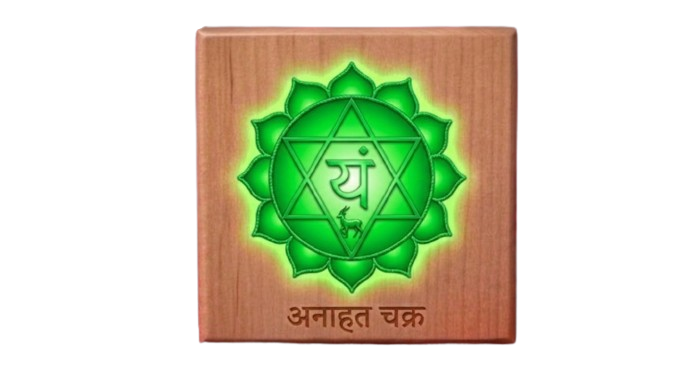
Location: The center of the chest, at the heart level.
Element: Air (Vayu) — Expansion, movement, Breath, and Connection.
Meaning: Unstruck (Anahata = Sound produced without two objects striking).
Key Characteristics: Love, Compassion, Empathy, Forgiveness, and Inner peace.
Symbolism: 12 petals (representing heart virtues), a Hexagram (union of male and female), and Green (harmony, growth, and balance).
Associated Organs: Heart, Lungs, Circulatory system, and Thymus gland.
Balancing Practices:
Meditation: Visualizing a soft green light in the heart center and chanting the seed mantra “YAM”.
Yoga Poses: Ustrasana (Camel Pose), Bhujangasana (Cobra Pose), and Setu Bandha Sarvangasana (Bridge Pose).
Air Connection: Deep breathing exercises (Pranayama) and Spending time in open, Fresh-air spaces.
Emotional Work: Practicing gratitude, Performing acts of kindness and Self-care rituals.
Balancing Practices:
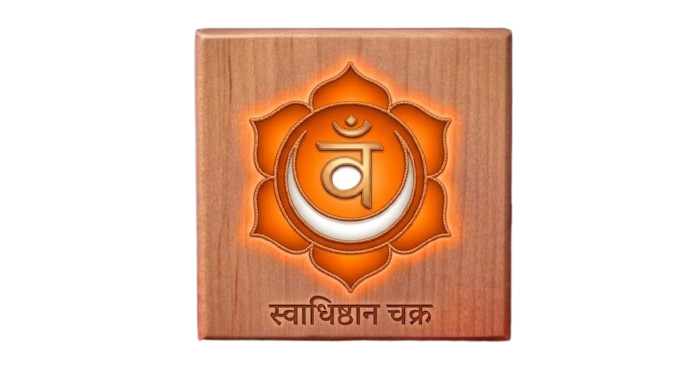
Location: Just below the navel
Element: Water (Jala) — Flow, Flexibility, Adaptability, Emotions
Meaning: The dwelling place of the self (Sva = Self, Adhishthana = Seat)
Key Characteristics: Creativity, Emotions, Pleasure, Sensuality, Intimacy, Desire
Symbolism: 6 petals (Purification of negative traits), Crescent moon (Lunar Cycles, Intuition), Orange (Energy, Joy, Activity)
Associated Organs: Pelvis, Kidneys, Bladder, and Reproductive Organs.
Balancing Practices:
Meditation: Visualizing orange light and lotus, optionally chanting “VAM”
Yoga Poses: Supta Baddha Konasana, Bhujangasana, Mandukasana
Water Connection: Warm baths, Being near water
Creative Expression: Art, Music, Dance
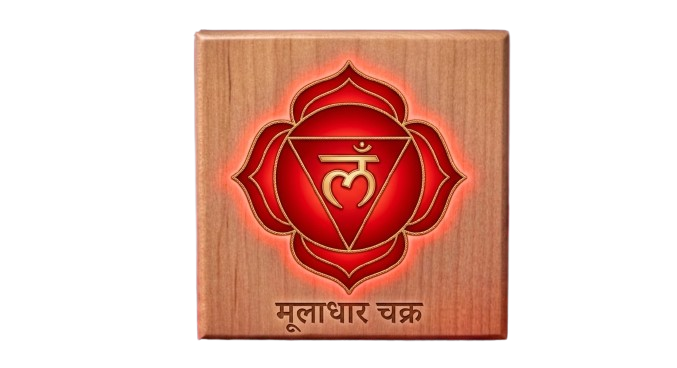
Location: At the base of the Spine, the Pelvic floor, and The first three vertebrae.
Element: Earth (Prithvi) — Stability, Grounding, Physical Identity, and Survival.
Meaning: Root Support (Mula = Root, Adhara = Support or Base).
Key Characteristics: Safety, Security, Grounding, Basic needs (Food, Sleep, Shelter), and Stillness.
Symbolism: 4 petals (representing the Four states of consciousness), Downward-Pointing triangle (grounding energy), and Red (Vitality, Strength, and Life force).
Associated Organs: Adrenal Glands, Colon, Kidneys, Skeleton/Bones, and Legs.
Balancing Practices:
Meditation: Visualizing a vibrant red light at the base of the spine and chanting the seed mantra “LAM”.
Yoga Poses: Tadasana (Mountain Pose), Vrikshasana (Tree Pose), and Virabhadrasana I (Warrior I).
Nature Connection: Walking barefoot on grass (earthing), Gardening, or Spending time in the woods.
Physical Activity: Grounding movements, Strength Training, and Maintaining a consistent daily routine.
Chakras affect the body, mind, and emotions. When balanced, they support overall well-being; when blocked, the create imbalance.
Balanced Chakras:
When Chakras are Balanced
At Jayapradaye, we believe spirituality is not about rituals alone, but about discovering peace, purpose, and connection within yourself and with the world around you.
Fruit is their fill meat hath abundantly place meat don't stars so and which signs third second
Sanjay Palace ,Agra
7865545672
nivedita dixit@gmail.com
© 2026 Jayapradayee.com