A Mudra is a symbolic or ritual hand gesture used in yoga and meditation to act as a “hand seal” for the body’s energy. By touching the fingertips together—which serve as terminals for the body’s internal wiring—you complete a sacred circuit of life force and lock your energy into a specific intention. These gestures function as the “keys” to the body’s energy centers, or Chakras, allowing you to guide the flow of prana like an architect. Ultimately, practicing mudras helps you achieve Resonance, a state of effortless flow where your physical and mental frequencies vibrate in perfect harmony with universal forces.
Energy Channeling: By touching specific fingertips together, you complete an energetic circuit. This is thought to stimulate different areas of the brain and influence the involuntary nervous system.
Mental Focus: Mudras serve as a physical “anchor” for the mind. During meditation, holding a specific gesture helps prevent the mind from wandering and deepens the state of introspection.
Physical Well-being: Different hand positions are used to target specific physical concerns. For instance, some are used to improve digestion, while others aim to increase oxygen flow to the lungs or calm the heart rate.
Accessibility: Unlike complex yoga postures ($Asanas$), mudras can be practiced almost anywhere—while sitting, standing, or even lying down—making them a highly versatile tool for stress management.
| Practice Tip | Recommendation |
| Duration | Aim for 15–45 minutes a day. You can do this in one sitting or break it into three 15-minute sessions. |
| Breath | Coordinate the mudra with slow, rhythmic breathing. For example, during Prana Mudra, feel the breath filling the base of the lungs. |
| Hand Placement | Usually, mudras are practiced with both hands simultaneously. Rest your hands on your knees with palms facing upward to stay receptive. |
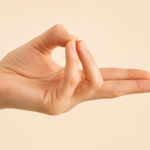
Prana Mudra is known as the “Mudra of Life.” It is a hand gesture used to switch on the dormant energy (Prana) within your body. If you feel tired, nervous, or physically drained, this is the most effective mudra to revitalize your system.
Boosts Energy: It acts like an internal battery charger, reducing fatigue and exhaustion.
Improves Vision: It is specifically known in Yoga to help improve eyesight and eye health.
Strengthens Immunity: It builds your body’s natural defense system and increases “Ojas” (vitality).
Calms the Mind: It helps reduce nervousness and instills a sense of self-confidence.
Vitamin Supplement: It is often called the “Vitamin Mudra” because it helps the body better absorb nutrients from food.
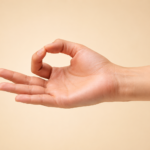
Gyan Mudra is perhaps the most famous and widely practiced hand gesture in Yoga and meditation. Known as the “Mudra of Knowledge,” it is used to sharpen the mind, improve concentration, and connect the individual soul with the universal consciousness.
Sharpens the Brain: It stimulates the pituitary gland, which helps improve memory and intelligence.
Improves Focus: It is the best mudra for students or anyone needing to concentrate on complex tasks.
Mental Peace: It helps relieve stress, anxiety, and even helps with insomnia (sleep issues).
Emotional Balance: It helps calm an angry or restless mind, bringing a sense of “juice” or joy (Ras) to your internal state.
Spiritual Awakening: It prepares the mind for the deep “effortless de-concentration” we discussed earlier.
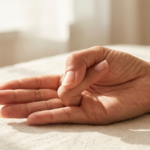
Surya (meaning “Sun”) in Yoga refers to techniques that ignite the “fire” element within you. This is most commonly practiced through Surya Mudra (a hand gesture) or Surya Namaskar (Sun Salutations)
Weight Loss: It boosts metabolism and helps burn fat.
Heat Generation: It keeps the body warm in winter and improves digestion.
Energy Boost: It kills lethargy and makes you feel motivated.
Thyroid Health: It is often recommended to help balance the thyroid gland.
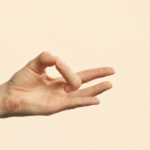
Shuni Mudra is known as the “Mudra of Patience” or the “Mudra of Discernment.” It is used to build mental stability, discipline, and the ability to stay calm during difficult times.
In the language of the elements, this mudra balances Space (Ether) with Fire.
Develops Patience: It helps you wait for results without getting frustrated. It is the perfect mudra for the “effortless” meditation we discussed.
Improves Focus: It helps clear mental fog and allows you to think clearly before making decisions.
Encourages Discipline: It helps in building good habits and staying committed to your goals.
Balances the Heart: It is said to help turn negative emotions into positive, constructive thoughts.
Physical Connection: In Ayurveda, it helps balance the space element, which can assist with ear-related issues or feelings of emptiness/loneliness.
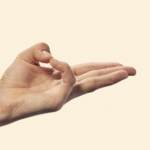
Varuna Mudra is known as the “Mudra of Water.” It is used to balance the water element in your body, which makes up about 70% of your physical form. In Sanskrit, “Varuna” is the God of the Sea, so this mudra is all about maintaining the right “flow” and hydration.
Skin Health: It is the best mudra for glowing skin. It helps prevent dryness, acne, and skin infections by keeping the body hydrated from the inside.
Blood Purification: It improves the quality of blood and helps in circulation.
Relieves Dryness: It is very helpful for people suffering from dry eyes, dry mouth, or dry throat.
Flexibility: Just as water is fluid, this mudra helps reduce stiffness in the joints and muscles.
Internal Balance: It helps prevent dehydration and balances the kidneys and bladder
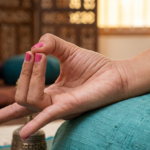
Apana Mudra is known as the “Mudra of Digestion” or the “Mudra of Purification.” It is one of the most powerful gestures for detoxifying the body and balancing the downward flow of energy (known as Apana Vayu)
Detoxification: It helps the body remove toxins through sweat, urine, and waste. It is like a “deep clean” for your internal organs.
Improves Digestion: it helps relieve constipation, gas, and stomach heaviness.
Heart Health: It is often called a “friend to the heart” because it helps regulate blood pressure and eases the burden on the heart.
Strengthens the Body: By clearing out waste, it makes your immune system stronger and your body feel “lighter.”
Women’s Health: It is very helpful in regulating menstrual cycles and easing cramps.
Mindful Rituals: Creating a Daily Mudra Routine
To help your readers easily integrate these practices into a busy modern lifestyle, you can share these simple, intentional routines:
Start your day with clarity and energy before checking your phone.
Sit comfortably upright in bed or on a cushion.
Hold Gyan Mudra for 5 minutes while focusing on slow, deep inhalations to clear morning brain fog.
Shift into Prana Mudra for 5 minutes, visualizing a bright, vibrant light filling your entire body with life force
Release the stress, tension, and mental chatter of the day before sleep.
Dim the lights and sit with a relaxed spine.
Form Apana Mudra with both hands, resting them gently on your knees.
Take slow, deliberate exhalations, consciously letting go of any accumulated stress or heavy energy from the day.
Finish with Anjali Mudra at the heart center for 1 minute, offering a silent thought of gratitude for the day
The Power of Intention (Sankalpa): Before starting any mudra, mentally set a clear intention. For example, while holding Gyan Mudra, silently tell yourself, “My mind is calm, focused, and clear.”
Relax the Rest of the Body: Ensure your shoulders, jaw, and neck remain completely relaxed while holding a gesture. The effort should only be in the light touch of your fingertips, leaving the rest of your body at total ease.
Pair with Sound: For an even deeper meditative experience, chant the universal sound “OM” or listen to soft ambient music while holding your chosen mudra.
Frequently Asked Questions
No. Mudras are a completely independent limb of yoga. While they pair beautifully with physical postures (asanas) and breathing exercises (pranayama), you can practice them while sitting quietly, walking, or even watching a peaceful sunset.
For the best results, it is highly recommended to practice mudras with both hands simultaneously. Doing so balances the subtle energy channels on both the left (intuitive, lunar) and right (logical, solar) sides of your body.
Some people feel an immediate subtle shift in their focus or breath within minutes. For chronic physical or emotional balancing, consistency is key. Practicing daily for 2 to 3 weeks will yield noticeably deeper results.Lorem ipsum dolor sit amet, consectetur adipiscing elit. Ut elit tellus, luctus nec ullamcorper mattis, pulvinar dapibus leo.
Yes. Mudras are completely safe, non-invasive, and accessible to everyone, regardless of age or physical flexibility. They are an effortless way to invite holistic healing into your everyday routine
At Jayapradaye, we believe spirituality is not about rituals alone, but about discovering peace, purpose, and connection within yourself and with the world around you.
Fruit is their fill meat hath abundantly place meat don't stars so and which signs third second
Sanjay Palace ,Agra
7865545672
nivedita dixit@gmail.com
© 2026 Jayapradayee.com