May 6, 2026/
No Comments
Guidelines for Meditation The Physical Foundation Establishing a firm, steady physical posture acts as the vital bedrock upon which a...
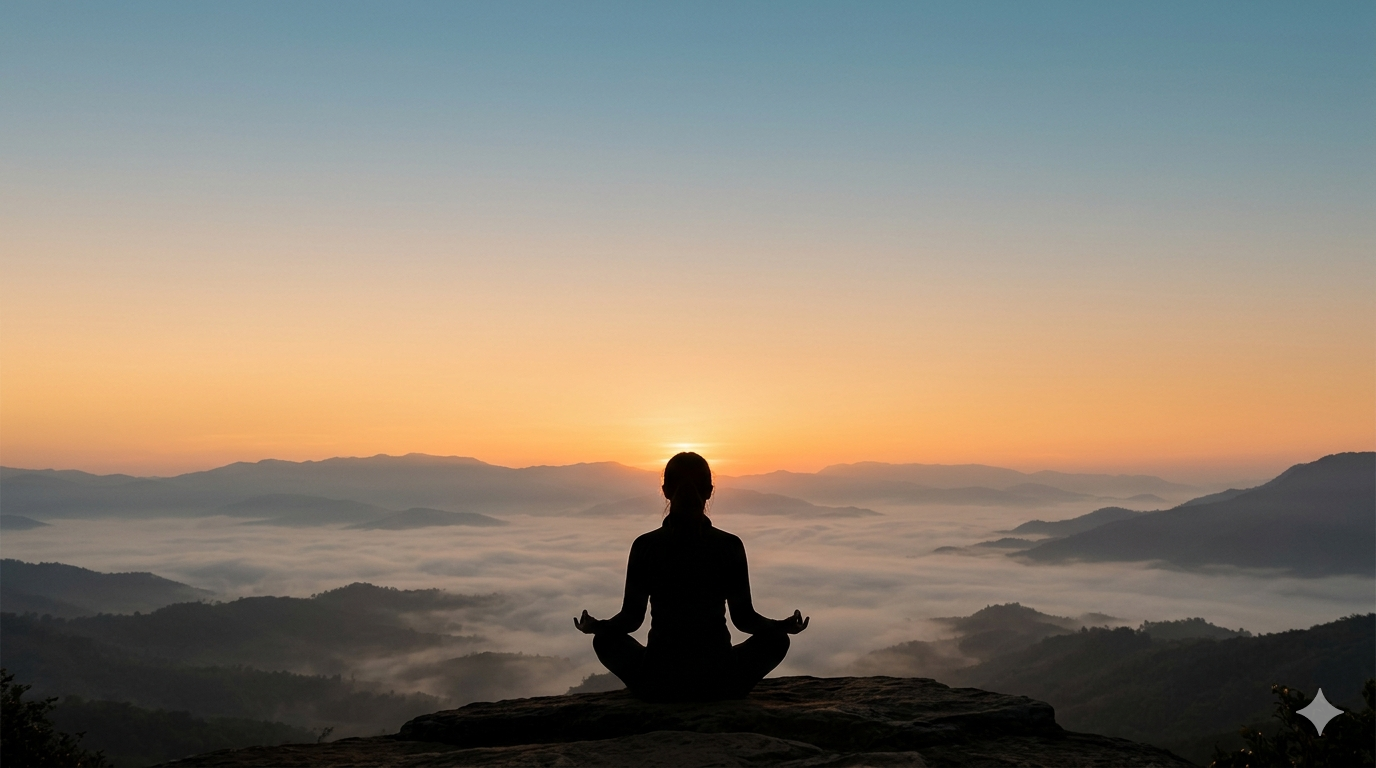
Meditation is not about working hard or forcing your brain to focus; instead, it is the simple art of doing absolutely nothing. It is a journey from the noise of daily life into a deep, peaceful silence where you let go of all effort. By using your breath as a gentle tool, you can bring your mind to a standstill and let relaxation happen naturally. Instead of “concentrating” on a single thought, you “de-concentrate,” allowing your mind to expand and relax until you reach a state of total stillness.
Historically, people have used this skill for three main reasons: to understand their true selves, to heal from life’s problems, and to sharpen their natural abilities. When you meditate, you aren’t stuck worrying about the past or planning for the future. You are simply resting in the present moment. This deep rest allows you to quiet your mind quickly, helping you tap into a powerful source of inner energy and feel completely refreshed.
Guidelines for Meditation The Physical Foundation Establishing a firm, steady physical posture acts as the vital bedrock upon which a...

What is Meditation Conscious stillness is a deliberate bridge connecting outer action with inner peace. Rather than a passive escape,...
Meditation offers a wide range of benefits for your mind, body, and overall well-being. By taking time to sit in silence and “de-concentrate,” you allow your system to reset and recharge.
Reduces Stress: It lowers the levels of cortisol (the stress hormone) in your body, helping you feel more calm and centered.
Improves Focus: Even though meditation is about effortlessness, the practice of returning to the present moment naturally sharpens your concentration during daily tasks.
Emotional Balance: It helps you manage big emotions like anger or anxiety, making it easier to stay steady when life gets challenging.
Boosts Creativity: By clearing out the “mental clutter” of constant thoughts, you make room for new ideas and fresh perspectives.
Better Sleep: Meditation relaxes the nervous system, making it easier to fall asleep and improving the quality of your rest.
Lower Blood Pressure: The deep relaxation response helps the heart work more efficiently and reduces physical tension.
Increased Energy: By taking a “deep rest” while awake, you tap into an abundant source of inner energy that leaves you feeling refreshed.
Stronger Immunity: Regular practice helps the body heal and strengthens its natural defenses against illness.
Self-Awareness: It provides a way to look inward and understand yourself better, leading to more confidence and peace.
Living in the Now: You learn to stop worrying about the past or the future, allowing you to actually enjoy the present moment.
Improved Relationships: When you are more peaceful inside, you tend to be more patient and kind with the people around you.
There is no “perfect” time, but many people prefer early morning before the day gets busy, or just before bed to clear the mind for sleep. The best time is whenever you can be consistent
Falling asleep means your body was very tired and needed the rest! If it happens often, try sitting more upright or meditating at a time when you aren’t already exhausted.
Quality is more important than quantity. Starting with just 5 to 10 minutes a day is much better than trying to do an hour and giving up after two days.
Regular meditation may help calm the mind, reduce stress, and improve emotional stability.
Gently bring your attention back to your breath or focus point without frustration.
At Jayapradaye, we believe spirituality is not about rituals alone, but about discovering peace, purpose, and connection within yourself and with the world around you.
Fruit is their fill meat hath abundantly place meat don't stars so and which signs third second
Sanjay Palace ,Agra
7865545672
nivedita dixit@gmail.com
© 2026 Jayapradayee.com